
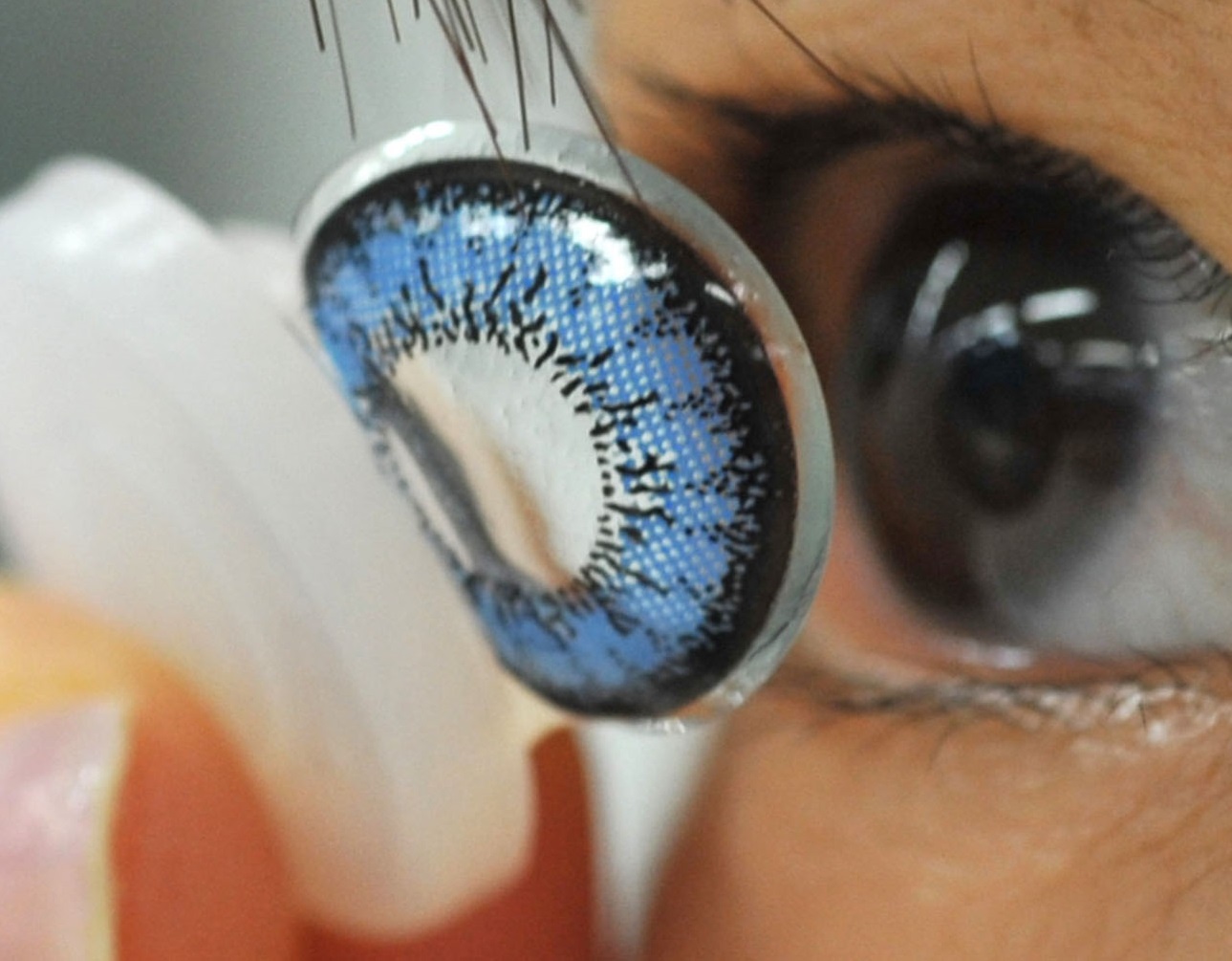

Contact lenses have become a popular choice for millions of people worldwide, offering a convenient and versatile alternative to glasses. Choosing the right contact lens base curve is essential for ensuring comfort, clear vision, and maintaining eye health. In this article, we will explore the importance of contact lens base curve and how to choose the correct one, such as base curve 8.4 vs 8.6.
Table of contents
- What Is The Base Curve On A Contact Lens ?
- What Does BC 8.6 Mean?
- Why Is Contact Lens Base Curve Important?
- Base Curve vs Diameter: What Is the Difference?
- What Happens If the Base Curve Is Wrong?
- How Do I Know My Contact Lens Base Curve?
- Does Base Curve Affect Colored Contact Lens Appearance?
- Is Base Curve More Important Than Water Content?
- Tips for Choosing Comfortable Colored Contacts
- Can I Wear Colored Contacts With a Different Base Curve?
- FAQ About Contact Lens Base Curve
- Final Thoughts
Estimated reading time: 10 minutes
What Is The Base Curve On A Contact Lens?
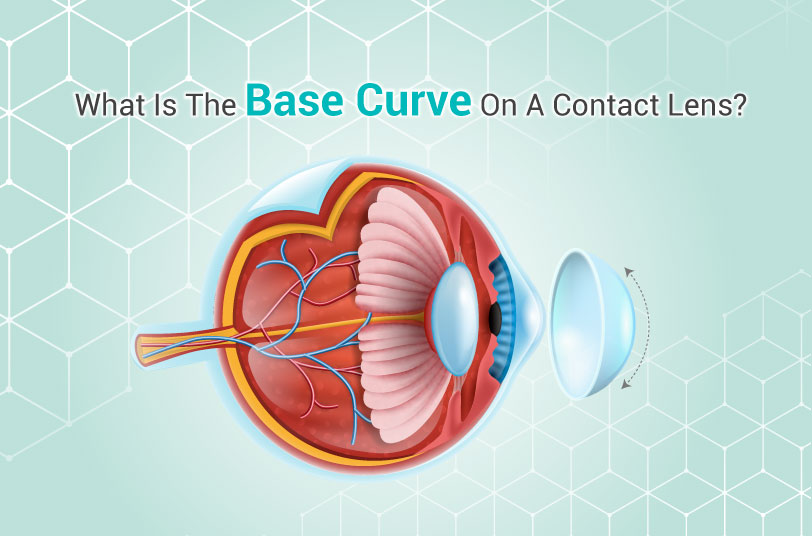
Base curve, often written as BC, refers to the curvature of the back surface of a contact lens. It is usually measured in millimetres and helps determine how the lens sits on your eye.
In simple words, base curve tells you how “curved” or “flat” the lens is. A contact lens should not feel too tight, too loose, or unstable when worn. The right base curve helps the lens sit more comfortably and move properly on the eye.
For example, you may see contact lens specifications like:
| Specification | Meaning |
|---|---|
| BC 8.6mm | Base curve of the lens |
| DIA 14.2mm | Diameter / width of the lens |
| Power -2.00 | Prescription strength |
| Water content 38% | Lens moisture level |
| Duration 1 day / monthly / yearly | Replacement period |
Base curve is especially important when buying colored contacts, cosplay contacts, or prescription colored contact lenses, because the lens must look good while still fitting your eyes properly.
What Does BC 8.6 Mean?
BC 8.6 means the back curve of the contact lens measures 8.6mm. This is one of the most common base curve values used for soft contact lenses.
However, this does not mean BC 8.6 is suitable for everyone. Some people may need a flatter or steeper lens depending on their eye shape and fitting needs.
Common soft contact lens base curves include:
| Base Curve | General Meaning |
| 8.3mm – 8.5mm | Steeper curve |
| 8.6mm | Common standard curve |
| 8.7mm – 8.9mm | Slightly flatter curve |
| 9.0mm+ | Flatter curve |
A higher BC number generally means the lens is flatter. A lower BC number generally means the lens is steeper.
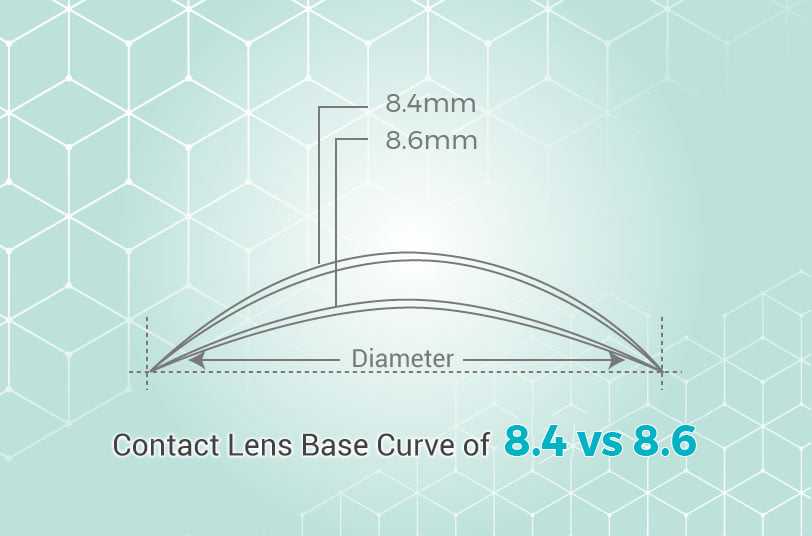
Example: Base Curve of 8.4 vs 8.6
The difference between an 8.4 and 8.6 base curve may seem small, but it can significantly impact the fit and comfort of your contact lenses.
Some wearers may not notice much difference, especially with soft lenses, but others may feel a clear change in comfort or lens movement.
The difference may depend on:
- Your cornea shape
- Lens material
- Lens diameter
- Lens thickness
- Water content
- Lens design
- How sensitive your eyes are
An 8.4 base curve is slightly steeper than an 8.6, which means it will fit more closely to the eye’s curvature. Some people may find that an 8.4 base curve fits better, while others may prefer an 8.6.
- If contact is too loose, it may be uncomfortable, fold, or come right out.
- If it’s too tight it may be comfortable at first but later cause irritation.
It is essential to work with your eye care professional to determine the best base curve for your individual eye shape and needs.

Why Is Contact Lens Base Curve Important?
The base curve affects how the contact lens fits on your eye. A lens with a suitable base curve should feel comfortable, stay centred, and allow enough movement when you blink.
A contact lens should not be completely stuck on the eye. It needs slight movement to allow tears to flow underneath the lens. At the same time, it should not move too much, or your vision may become unstable.
A suitable base curve can help with:
- Wearing comfort
- Stable vision
- Better lens positioning
- Reduced irritation
- Better coloured lens appearance
- Lower chance of the lens shifting too much
If the base curve is unsuitable, the lens may feel uncomfortable even if the color, diameter, and design look perfect.
Base Curve vs Diameter: What Is the Difference?
Base curve and diameter are different measurements, but both affect how a lens fits.
Base curve refers to the curvature of the lens.
Diameter refers to the width of the lens from edge to edge.
For colored contacts, diameter also affects how large your iris appears. For example, a 14.0mm lens may look more natural, while a 14.5mm or larger lens may create a more dolly or cosplay effect.
| Feature | Base Curve | Diameter |
| Short form | BC | DIA |
| Measures | Lens curvature | Lens width |
| Affects | Fit and comfort | Coverage and enlargement |
| Example | 8.6mm | 14.2mm |
Both measurements matter. A beautiful colored contact lens may still feel uncomfortable if the fit is not right.
What Happens If the Base Curve Is Wrong?
If the base curve is not suitable for your eyes, you may experience discomfort or unstable vision.
A lens that is too tight may feel like it is stuck on your eye. A lens that is too loose may move around too much or slide when you blink.
Possible wrong base curve symptoms include:
- Eye discomfort
- Redness
- Dryness
- Lens moving too much
- Lens feeling too tight
- Blurry or unstable vision
- Feeling like something is in your eye
- Lens decentration, where the lens does not stay in the middle
- Watery eyes
- Difficulty wearing the lenses for long hours
If you experience pain, strong redness, light sensitivity, unusual discharge, or sudden vision changes, remove the lenses immediately and consult an eye care professional.
Read more: Will The Wrong Base Curve of Contact Lenses Cause Discomfort?
Anyone who wants to buy a contact lens should know the necessary parameters. The contact lens parameters can be found in the prescription written by an eye doctor and are different from your regular spectacle prescriptions.
It is also good to take note of changes in your base curve and diameter whenever you’re getting a prescription for new contacts as these parameters often change with age.
How Do I Know My Contact Lens Base Curve?
You can usually find your base curve on your contact lens prescription, contact lens box, or product specification page.
Look for the abbreviation BC.
Example:
- Power: -1.50
- BC: 8.6
- DIA: 14.2
- Duration: Monthly
If you only have a glasses prescription, it may not include contact lens base curve. Glasses prescriptions and contact lens prescriptions are not the same, because contact lenses sit directly on the eye.
For the most accurate fit, you need a contact lens fitting from an eye care professional.
Does Base Curve Affect Colored Contact Lens Appearance?
Yes, it can.
If the lens does not sit properly, the color design may not stay centred over your iris. This can make the lens look unnatural or cause your natural eye color to show unevenly.
For cosplay contacts, base curve and diameter are even more important because many designs have stronger patterns, larger diameters, or special effects.
A good fit helps the lens:
- Stay centred
- Look more natural
- Move less obviously
- Keep the printed design in the right position
- Feel more comfortable during makeup, photoshoots, or events
Is Base Curve More Important Than Water Content?
Both are important, but they affect different things.
Base curve affects fit.
Water content affects lens hydration and feel.
A high water content lens is not automatically more comfortable for everyone. If the base curve is unsuitable, the lens may still feel uncomfortable even if the water content is high.
When choosing colored contacts, consider the full specification:
- Base curve
- Diameter
- Water content
- Lens material
- Replacement period
- Prescription power availability
- Lens design
- Your eye care professional’s advice
Tips for Choosing Comfortable Colored Contacts
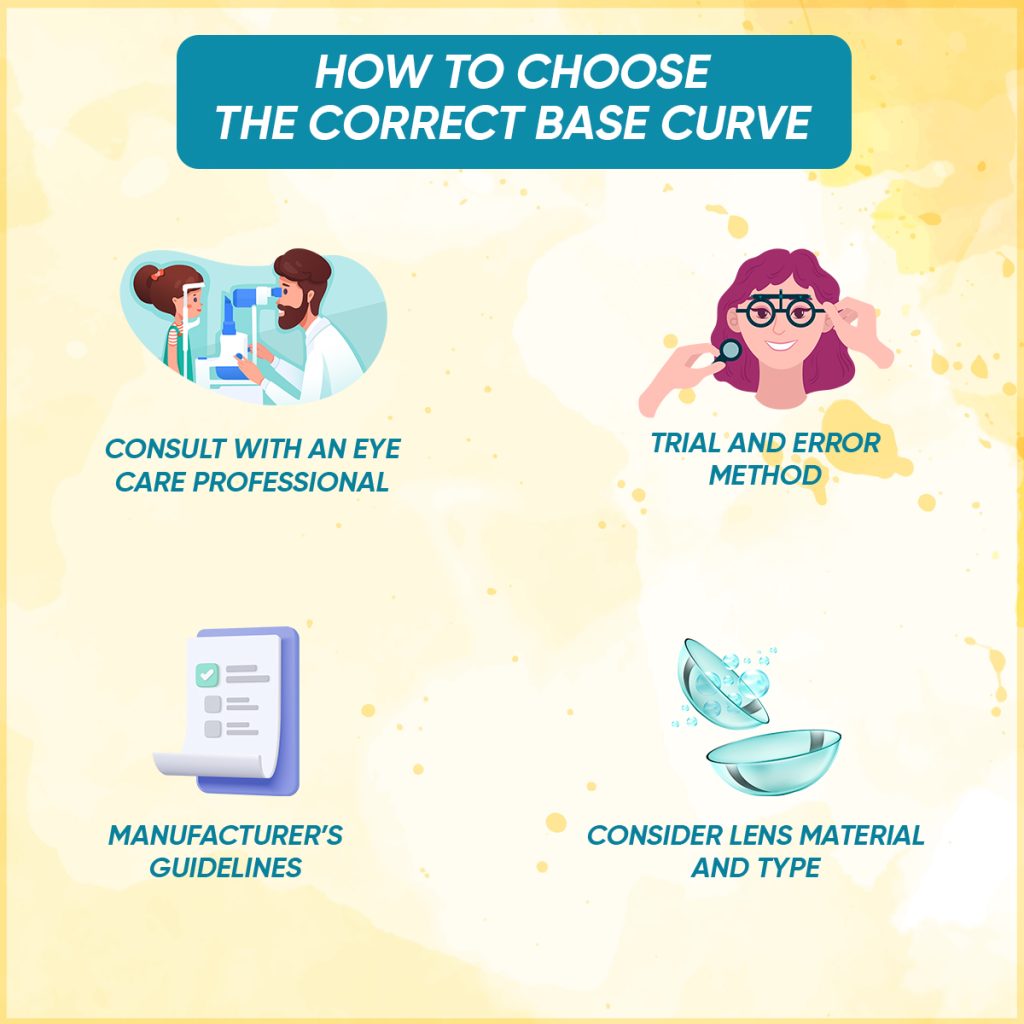
Here are some simple tips before buying colored contacts:
- Check the BC and DIA
Compare them with your current contact lens prescription or lenses you already wear comfortably. - Start with natural-sized lenses if you are new
Very large lenses may feel different and may not be suitable for every wearer. - Do not wear lenses that cause pain or redness
Remove them immediately if they feel painful or irritating. - Follow the replacement period
Do not wear daily, monthly, or yearly lenses longer than recommended. - Use proper contact lens solution
Never rinse or store contact lenses with tap water. - Do not share contact lenses
Sharing lenses can increase the risk of eye infection. - Consult an eye care professional
This is especially important if you have dry eyes, sensitive eyes, astigmatism, or prescription needs.
Can I Wear Colored Contacts With a Different Base Curve?
It depends. Some people can comfortably wear soft colored contacts with a slightly different base curve, while others cannot.
If your usual contact lens base curve is 8.6mm, a colored contact with BC 8.6mm may be more familiar. If the colored contacts have BC 8.8mm, they may feel slightly different.
Before switching to a new lens type, especially prescription colored contacts or larger cosplay lenses, it is better to check with your optometrist or eye care professional.
You should be extra careful if:
- You have dry eyes
- You have sensitive eyes
- You are new to contact lenses
- You need prescription lenses
- You plan to wear lenses for long hours
- You are choosing large cosplay lenses or mini sclera lenses
FAQ About Contact Lens Base Curve
BC means base curve. It measures the curvature of the back surface of the contact lens and helps determine how the lens fits on your eye.
Yes, BC 8.6 is a common base curve for soft contact lenses. However, it may not be suitable for everyone.
Yes. In general, a higher base curve number means the lens is flatter, while a lower number means the lens is steeper.
Yes, an unsuitable base curve may cause unstable or blurry vision because the lens may move too much or not sit properly on the eye.
You should follow your contact lens prescription or ask your eye care professional. Some soft lenses may feel acceptable with a small difference, but fit can vary depending on your eye shape and lens design.
A glasses prescription is not the same as a contact lens prescription. Contact lens prescriptions usually include lens-specific details such as base curve and diameter.
Colored contacts may feel uncomfortable due to unsuitable base curve, wrong diameter, dryness, lens damage, poor cleaning habits, or wearing them for too long.
Yes. If your lenses feel tight, painful, or uncomfortable, remove them and check with an eye care professional before wearing them again.
Final Thoughts
Base curve may look like a small number on your contact lens box, but it plays an important role in comfort, fit, and vision stability.
When choosing colored contacts, do not look only at the color or design. Always check the base curve, diameter, prescription power, water content, and replacement period.
The best colored contacts should not only make your eyes look beautiful — they should also fit your eyes safely and comfortably.
Check out our colored contact lenses section for all your contact lens needs.
Do you know contact lens cleanliness also plays an important role in ensuring eye comfortability?
Related Articles